Home / Services

Build the scope around the tank, not the tool.

BSI combines in-service UT, API 653 inspection, ROV internal visuals, laser scan analysis, acoustic emission screening, and remote monitoring into one integrity program — so owners make better tank decisions with fewer vendors.

Inspect the floor without taking the tank offline.

BSI's robotic scanners inspect aboveground storage tank floors while the tank remains in service — no cleaning, no downtime, no lost site capacity. Ultrasonic thickness data is collected through a roof manway and analyzed against API 575 / API 653 Extreme Value Analysis (EVA).

  • Tank remains in service — no reduction in site capacity
  • Eliminates the need for hazardous personnel entry
  • Alternate method to API internal inspection — API 653 §6.4.12, API 575 §8.4.4
  • Supports extended inspection intervals with EVA-backed data
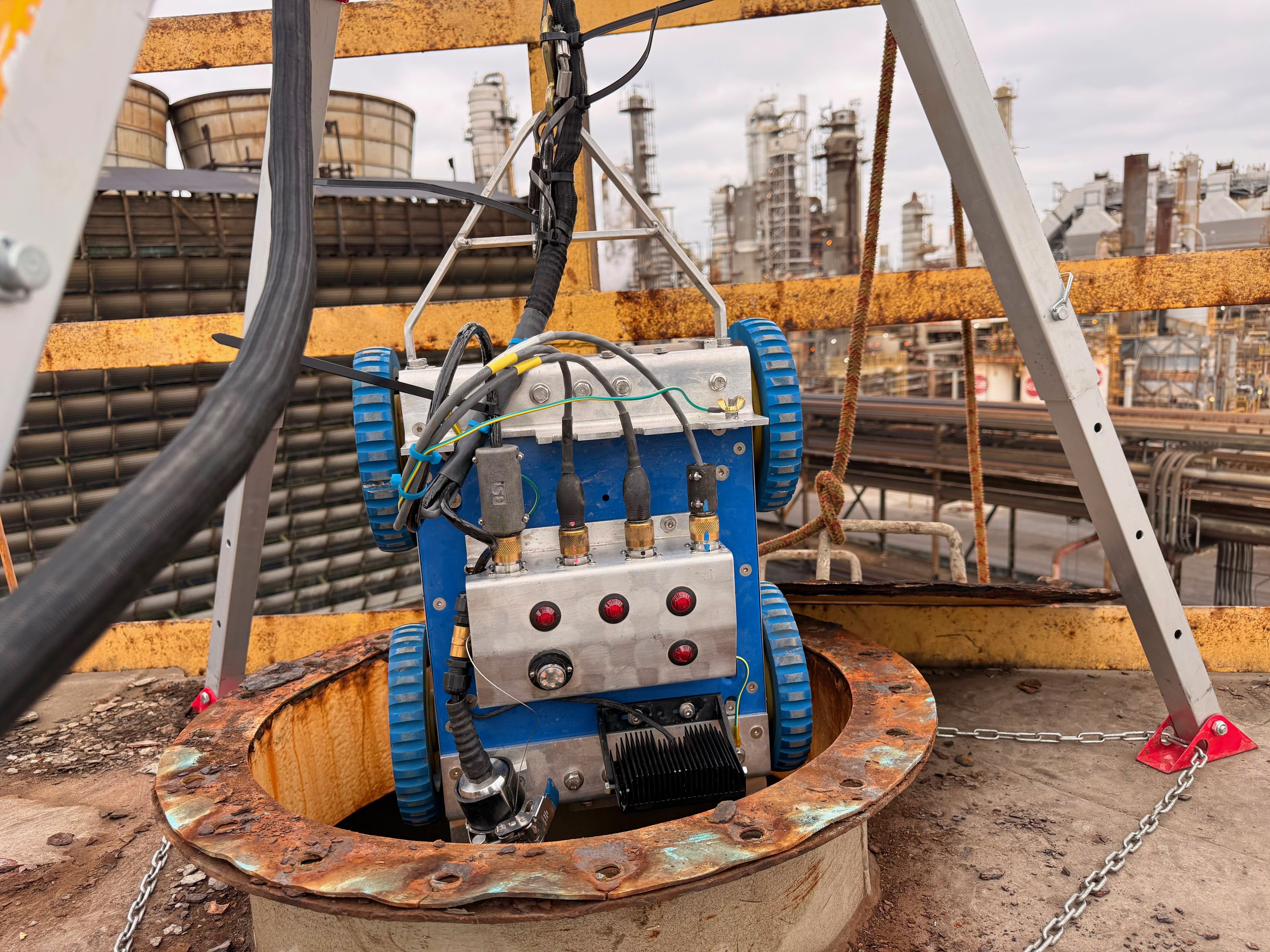
BSI Scavenger 3.0 robotic ultrasonic scanner being deployed through a tank roof manway with tripod rigging
SCAV 3.0 deployment — through a single 24-inch roof manway.
Ultrasonics

How the scan works

Multiple transducers take high density ultrasonic readings across a wide area, storing thousands of readings per “robot pass.”

Analysis

Reporting

Proprietary algorithms convert raw waveform data into corrosion rate, remaining life, and Extreme Value Analysis — fully API compliant.

Case Data

What a survey looks like

A typical in-service survey collects multiple scan vectors and hundreds of thousands (or optionally, millions) of individual ultrasonic waveforms per tank floor.
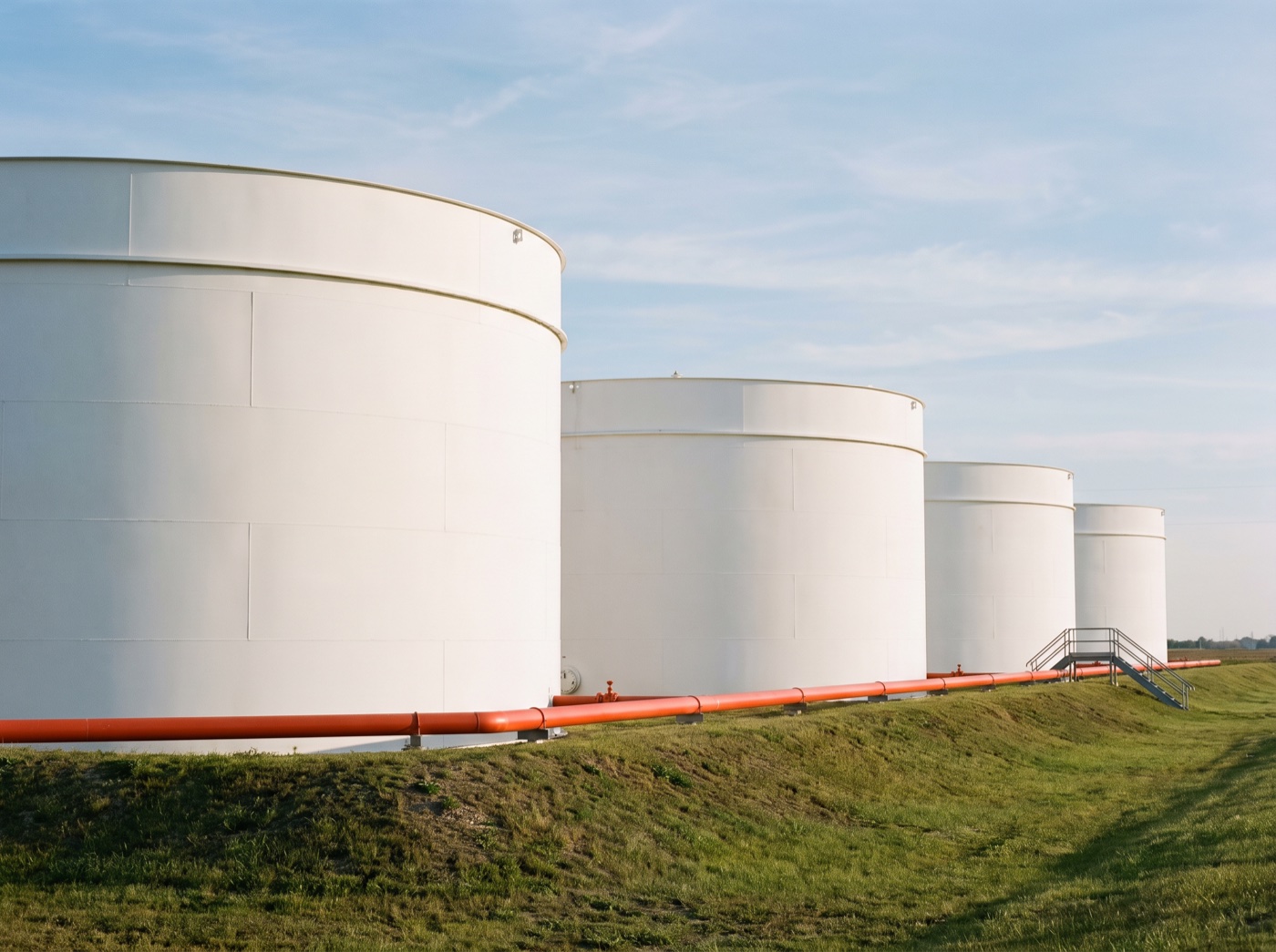
Large field-erected welded aboveground storage tanks in a tank farm
API 653 inspection — visual review, UT readings, code check, recommendations.

API 653 Inspections

Certified external tank inspection documents condition, supports code compliance, and plans next actions — covering foundation, containment, supports, settlement, shell, roof, coatings, nozzles, and manways.

Inspection scope

Foundation & grounding, bottom/shell/roof condition, UT thickness where safely accessible, prioritized repair recommendations.

Report outputs

Tank description, summary & recommendation, UT tables, remaining-life summaries, inspection intervals, photos, and records.

Remotely Operated Vehicle (ROV)

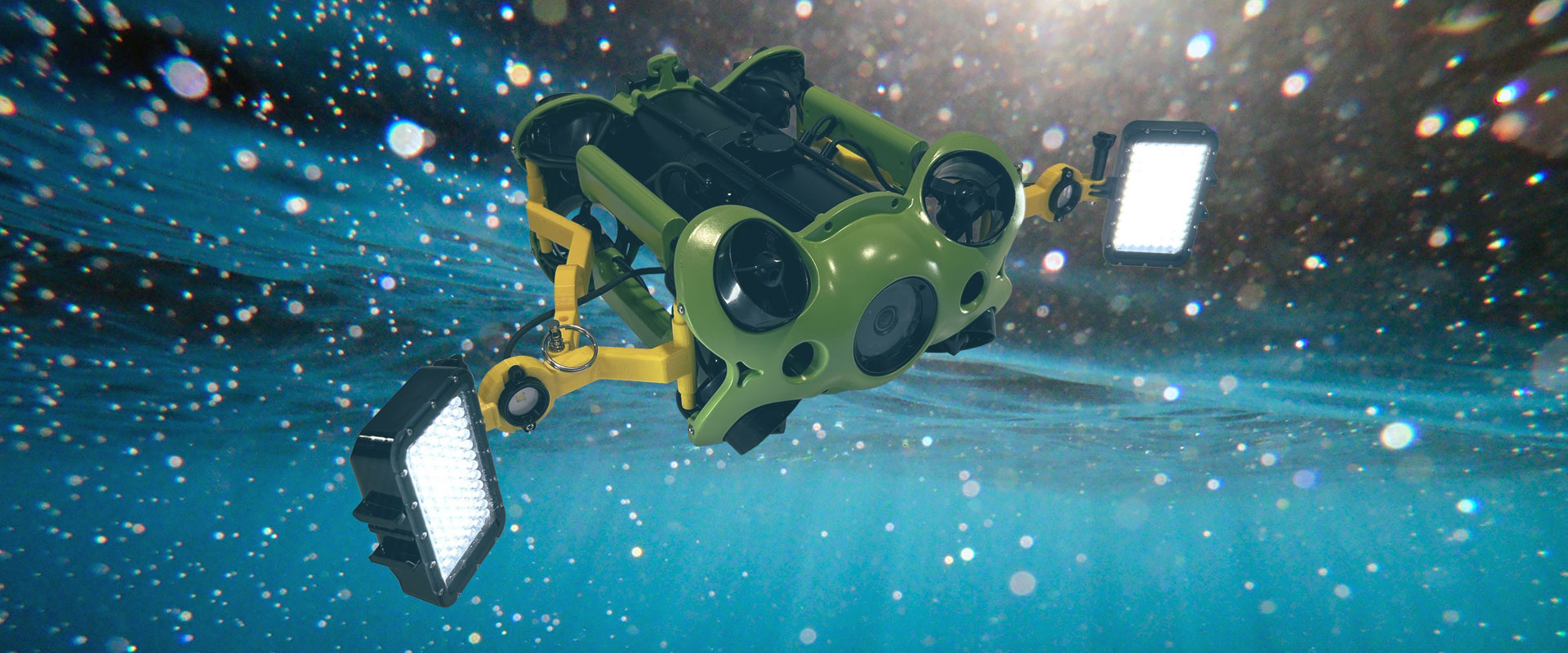
Designed to assess internal tank condition in transparent products without manned entry — from storage tanks to nuclear reactors to lake bottoms.

  • Assesses condition without manned entry
  • No crane needed to reach the roof
  • HD camera with high-lumen LED lighting
  • Eliminates asset downtime and personnel safety risk
BSI submersible ROV with LED lights underwater, used for visual inspection inside storage tanks
ROV deployment — internal condition insight without opening the tank.
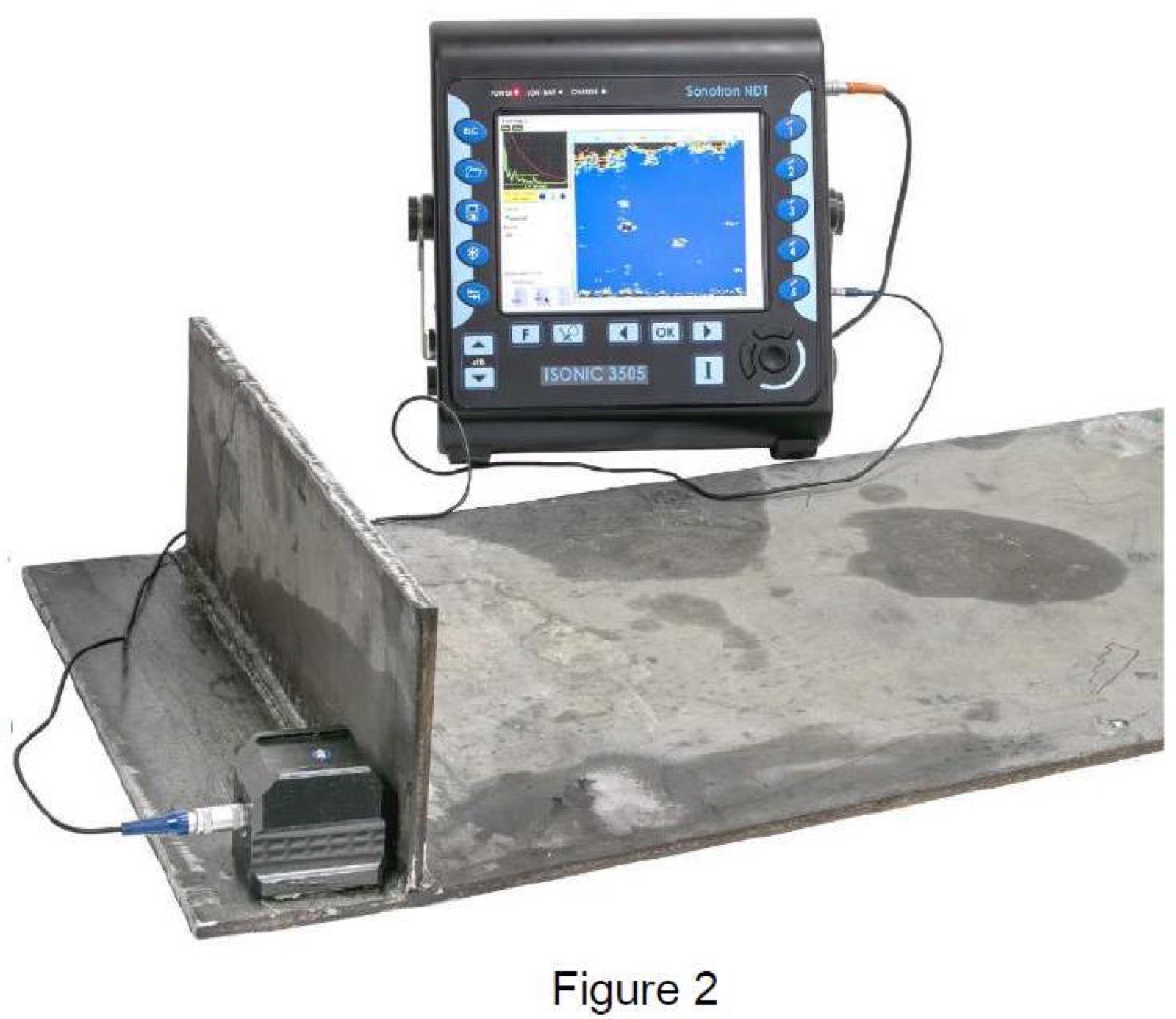
Short range guided wave ultrasonic testing equipment on a steel test plate
Short Range Guided Wave — annular plate testing without entry.

Short Range Guided Wave (SRUT)

Tests annular plates or tank floor from the exposed, external edge projection of an AST while the tank remains in service.

  • Inspects for wall loss up to 1,000 mm
  • Identifies indications on both top and bottom surfaces
  • C-scan presentation plus post-collection A-scan (raw UT) data

3D Laser Scanning Services

Comprehensive, code-compliant structural evaluations covering all API 650/653 structural test categories — the information your team needs to prevent accidental releases, ensure proper floating-roof function, and prepare detailed repair plans.

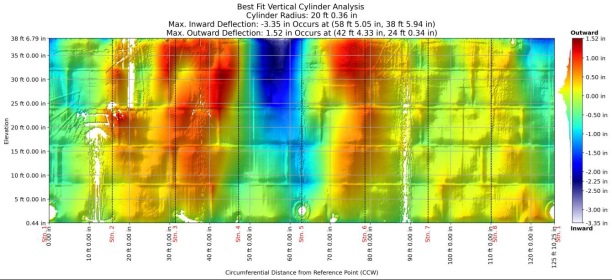
3D laser scan best-fit vertical cylinder analysis of a tank shell, showing inward and outward deflection by elevation and circumferential distance
Shell cylinder analysis — best-fit vertical cylinder with inward and outward deflection mapped around the full circumference.
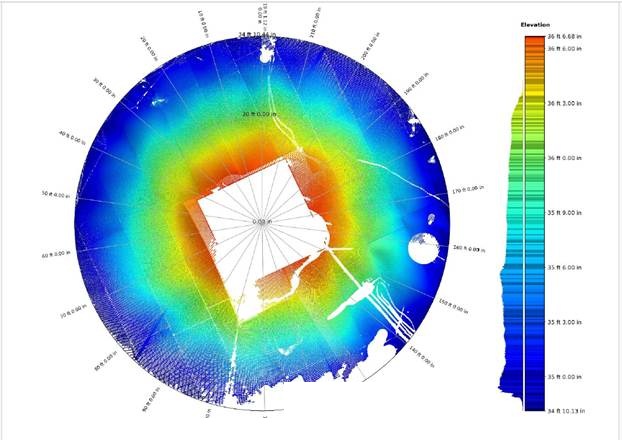
3D laser scan fixed cone roof elevation overview with a color elevation scale
Fixed cone roof overview — roof elevation mapped across the full surface.
  • Best fit cylinder & plumbness (verticality) analysis
  • Roundness analysis, columns, girders & rafters
  • Roof and bottom profiles, floating roof analysis
  • Shell and edge settlement analysis
  • Tank calibration / strapping, secondary containment (berm) survey
  • Fully rendered 3D point cloud for construction planning

A repeatable process, from screening to planning.

Screen

Tank details, product, flash point, access, sediment, clarity, objectives.

Select

Choose Scavenger, Model 100 IS, Non-IS push, API 653 inspection, ROV, laser scan, or a combined scope.

Plan

Safety requirements, site support, shipping, manway access, schedule, permits.

Inspect

Deploy equipment, collect data, document field limitations and coverage.

Report

Deliver findings, limitations, data summaries, and planning recommendations.

Tell us about your tank or pipeline segment.

We'll help you select the right scope — in-service UT, API 653 inspection, ROV, laser scan, or a combined program.